
Topo mole app plays like a compact slot-casino hybrid with decisive pacing and a clear risk profile: RTP sits around 94–97% depending on the variant and the volatility feels medium-to-high, so expect uneven but meaningful hits. Minimum bet commonly starts low, around $0.10–$0.50 per spin on most lobbies, with max bets scaling for high rollers; the app often rewards persistence with occasional free spins rounds that break up long dry spells. Pay attention to session length and throttle your stake size when variance spikes to protect your bankroll.
| Item | Typical Range |
|---|---|
| RTP | 94%–97% |
| Volatility | Medium–High |
| Minimum bet | $0.10–$1.00 |
| Session tip | 20–60 minutes, 1–2% bankroll per spin |
The gameplay loops are quick: spins come fast and bonus rounds load without long animations, which suits short sessions and grind sessions alike. Watch for multipliers that can swing a hand from break-even to a serious payout, and treat those features as targets rather than guarantees. Casino-side elements are straightforward – there are regular bonuses and promo codes tied to the app, and support tends to be reachable in-app, though KYC is enforced on larger wins so plan ID uploads ahead of time to avoid payout delays.
Bankroll advice for Topo mole app players: set stop-loss and win-goal thresholds before you start, and consider smaller, consistent wagers to ride the variance. You’ll see wilds and scatters in many spins, but don’t chase every bonus trigger; patience pays. Deposits are usually instant, withdrawals vary by method so expect anything from near-instant to a few days, and customer support will flag any identity questions. If you prefer human interaction the app also integrates tables with live dealers in some partner casinos, though the core Topo mole experience remains automated and slot-like.
Topo Mole App Practical Manual
The Topo Mole App Practical Manual focuses on the anatomy of bonus rounds and how players can recognize high-value triggers inside the slot interface, with step-by-step explanations of how cascade reactions, symbol upgrades and persistent modifiers interact. Key bonus triggers often lead to free spins, and the manual explains the sequence from trigger to resolution so players can judge whether a round offers scalable potential or merely a short spike in payouts. Attention is given to how engine timings affect perceived fairness during rapid consecutive wins.
This section breaks down the entry mechanics: which scatter-like arrangements are required, whether partial symbol clusters qualify, and how retriggers are calculated versus single-entry bonuses. It also provides a concise note on volatility so readers can align bonus expectations with bankroll strategy; volatility is described alongside expected run lengths rather than as an isolated statistic. Practical examples use nominal bet sizes to illustrate typical bonus run scenarios and emphasize reading on-screen counters and event logs rather than guessing by feel.
Deeper chapters analyze the internal math of feature modifiers and how stacked symbols interact with in-bonus multipliers during multi-layered rounds. The manual maps sequences where a baseline award is amplified through chained multipliers and details whether those multipliers apply per line, per symbol, or as a session-wide multiplier. Empirical tables show how progressive multiplier steps change break-even points for extended play, giving players a repeatable method to evaluate whether to pursue retriggers or bank winnings.
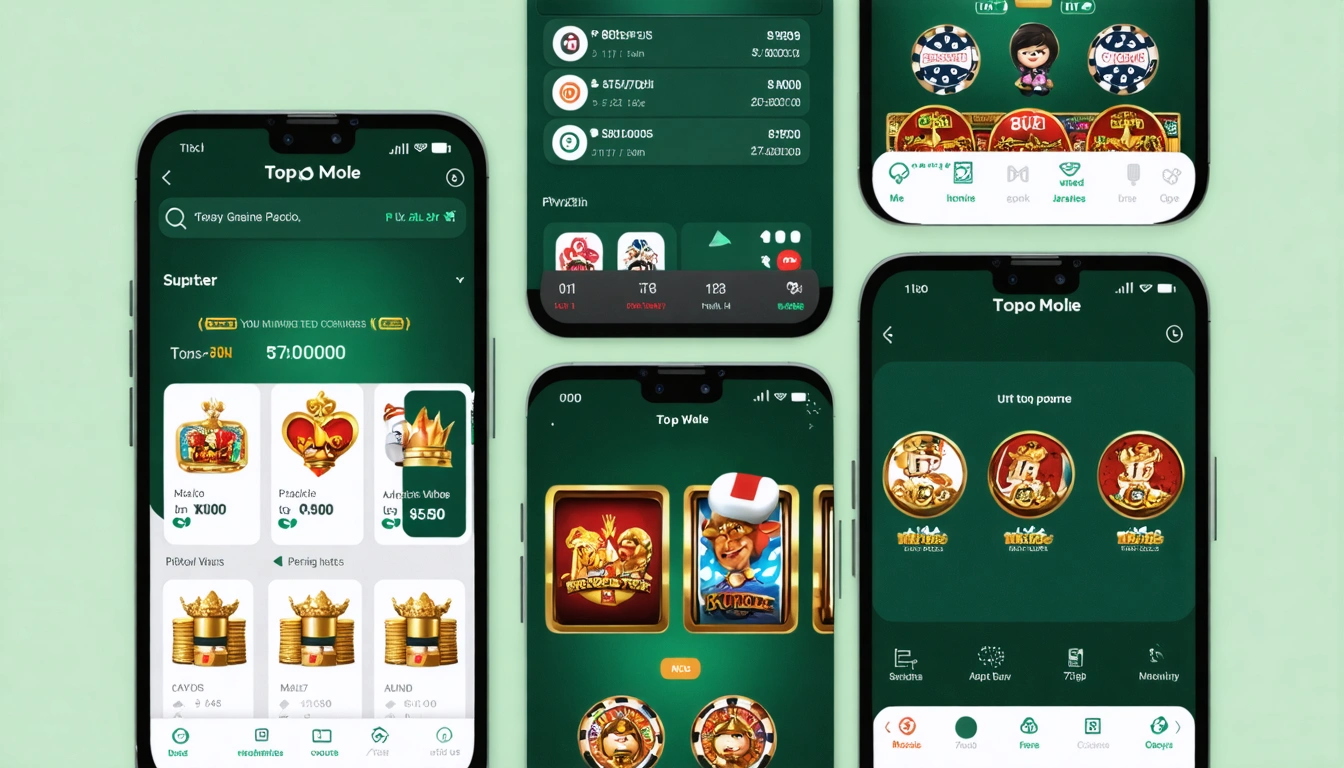
The guide concludes with practical advice on symbol behaviour inside the bonus: which icons become sticky, how symbol upgrades convert to higher-paying faces, and the role of wilds in completing bonus patterns under time or spin limits. It recommends in-bonus decision rules–when to continue risking for larger combos and when to lock in prizes–and explains verification cues that indicate a genuine engine-driven bonus versus a cosmetic animation. Readers receive a compact checklist for reading live feature telemetry and optimizing action during critical bonus moments.
Installation Procedures
When installing a casino app with the explicit purpose of real-money play and withdrawals, the setup flow is often optimized so verification tasks appear during or immediately after installation. Users typically create an account, confirm an email or phone number, and are prompted to submit identity documents before full functionality is unlocked. The installation routine will often request permissions related to secure storage and notifications; granting these streamlines receipt of OTPs and withdrawal confirmations while keeping transaction logs accessible for compliance checks.
During the initial configuration the app will guide players through linking a payment method and setting withdrawal preferences. Expect prompts to add cards, e-wallets, or bank details and to complete small test deposits or micro-deposits as part of bank-link verification. This stage is critical: incomplete or rushed setup commonly leads to delays when cashing out, as the verification queue prioritizes fully documented accounts and verified payment channels.
Practical installation design also integrates verification reminders tied to promotional mechanics so that bonus redemptions are conditioned on completed KYC. For example, a welcome package that includes free spins or conditional credits will often be withheld until identity checks and source-of-funds confirmations pass. This coupling of onboarding and compliance reduces later friction but means players should prepare clear scans of ID, proof of address, and supporting payment screenshots before installation to avoid hold-ups at payout time.
The real-world consequence of these installation procedures is that withdrawal timelines are frequently determined at the setup stage: accounts set up with two-factor authentication, verified documents, and matched payment profiles see the fastest processing and smaller manual-review windows. Installation checklists embedded in the app encourage correct min bet behavior and adherence to wagering terms to prevent bonus-related reversals, so completing every verification step during installation is the most reliable path to smooth, timely withdrawals.

Onboarding Walkthrough: Teaching Bonus Round Mechanics
The onboarding walkthrough for a casino app should make the player’s path to a bonus round obvious and rewarding, reducing churn by demystifying triggers and outcomes. A short interactive demo that simulates a common trigger, explains the sequence of screens, and highlights the visual cues for when to expect a payout helps players form accurate expectations. Designers can show how a typical bonus behaves without promising big wins, and a clear demonstration of what happens during free spins reinforces comprehension while keeping the experience engaging.
Early steps in the flow should let players experiment with small stakes so they can see how features stack and what alters outcomes, with concise tooltips that explain how feature modifiers function. Instead of burying the math, the walkthrough can present simple examples where feature effects are visualized, such as an example round where multipliers change the displayed win and the player can rerun it in a sandbox. This makes complex mechanics feel learnable and gives players confidence to try live play.
A robust walkthrough also includes a micro-tutorial on symbol behavior and volatility cues so players know why a bonus might not hit often but can pay out meaningfully when it does. Practical UI cues–like a flashing border around qualifying symbols, an animated queue that leads into the bonus state, and a timed pacing that introduces decision points–help build a mental model. Showing how extra symbol interactions occur in the bonus stage, and how wilds behave differently there, reduces confusion when the real thing arrives.
Finally, measure success by tracking whether players complete the tutorial and go on to activate bonus rounds, and use A/B tests to refine content density and timing. Include a brief note about RTP so players understand long-term expectations without overwhelming them, and tie comprehension checks to small incentives rather than heavy-handed nudges. A focused, practice-first onboarding turns opaque feature mechanics into clear gameplay opportunities, improving retention and satisfaction.
MapLayer Customization
MapLayer customization offers a nuanced lever for variance management within slot and table design by allowing studios to shape payout landscapes without altering core math. By configuring layers that prioritize different outcome sets, designers can concentrate big-win clusters into specific map regions and tune how often players encounter mid-tier payouts versus near-miss sequences. These configurations influence session feel: the same RTP can deliver a different perceived variance when map density, hit spacing, and layer overlap are adjusted.
Through layer weighting and adaptive fallback rules, operators can smooth or spike volatility to suit markets or player segments, controlling streakiness and cold runs while maintaining regulatory compliance. Developers often employ a thin upper layer for jackpot-like events and broader base layers for regular wins, which lets them modulate payout swings without changing paytables. This approach works alongside traditional settings such as min bet and volatility to align product portfolios to target audiences and retention goals, keeping high-variance players engaged while protecting recreational budgets.
Operationally, MapLayer tooling supports real-time telemetry to close the loop between live player behavior and variance tuning, enabling safe, incremental adjustments. Analytics feed into layer selectors that can tighten or loosen feature frequency on the fly, reducing undesirable payout patterns or intentionally creating hot stretches for promotional events. Where bonus mechanics are layer-triggered, teams can control the distribution of bonus rounds and the occurrence of things like multipliers to shape both short-term excitement and long-term bankroll trajectories.
From a player-experience standpoint, careful MapLayer customization preserves transparency while optimizing churn and lifetime value: predictable session pacing, fewer abrupt dry spells, and calibrated big-win moments drive satisfaction without misrepresenting odds. Engineering constraints, certification needs, and the underlying RNG still govern final outcomes, but by using layers intelligently operators gain a powerful tool to manage variance and craft distinct, market-specific gameplay signatures.
Offline Caching Techniques for Variance Management in Casino Gameplay
Offline caching is used to smooth the player’s experience by storing validated game-state snapshots and non-sensitive outcome metadata on the client so that short network disruptions do not create sudden variance spikes in visible results. By keeping a controlled buffer of pre-rendered animations and payout confirmations, frontend systems can avoid abrupt freezes or stuttering that amplify perceived volatility; this helps maintain trust without altering actual outcome distributions, because critical RNG decisions remain authoritative on the server.
One practical pattern caches the display components for recurring events so that sequences like animations for a bonus sequence are continuous even if the next server tick is delayed. free spins.
At the session level, offline caches can hold compact statistical aggregates–running tallies of streak lengths, hit-rate estimates, and recent payout buckets–allowing UI logic to adapt payout reveal timing and micro-interactions to reduce apparent variance. Systems may also cache alternative visualizations that highlight wins differently when a player’s recent history shows long dry spells, while ensuring that payout calculations, limits, and compliance checks run server-side. multipliers.
Implementing these techniques requires strict integrity controls: signed cache entries, short TTLs, and cryptographic checks so the server can reconcile local state without trusting it for settlement. Properly architected caching reduces jitter and perceived volatility while preserving transparent RTP and game fairness; local caches should never be used to substitute server validation or to hide real risk exposure. wilds.
GPSAccuracy Calibration
When GPSAccuracy ties into location-based promotions or session tracking, players should set realistic payout expectations and be prepared for normal variance and short-term swings. Watch for drift, signal loss and unexpected session resets; monitor effective bet outcomes, latency and whether rewards trigger as expected during play. Keep short records of spin results, timestamps and any notes on location prompts to help spot patterns across sessions.
Calibration routines can change how a casino’s location checks register bonus eligibility, so verify your position signals before relying on a promotion. Verify support responses and site logs if a promoted reward fails to register, and keep screenshots for disputes. Always choose licensed casinos and check security indicators, clear terms, payout transparency and third-party audit statements rather than invented assurances.
Use deposit limits, stop-loss levels, cooldown breaks and conscious play to manage bankroll, step away when pressure builds and avoid chasing losses. Topo can affect how small location shifts influence bonus availability, so explore bonuses, promo codes and new slots cautiously, test adjustments with modest stakes and prioritize verified offers.
Questions and Answers:
What is the Topo Mole app?
Topo Mole is a mobile mapping app designed for field surveying and route planning with support for contour drawing, waypoint logging, and custom layers. It works with standard GPS and can integrate external GNSS receivers to improve position data in remote areas.
How do I start a new project in Topo Mole?
Open the app and tap New Project to set a projection and create a map canvas for your survey area. You can import a basemap or start from scratch, then add layers for points, lines, and polygons as you collect data in the field.
Can I use Topo Mole offline?
Yes, you can download map tiles and store your projects locally so the app remains fully usable without a cellular connection. GPS positioning continues to function offline and recorded data is saved on the device until you sync or export files later.
How accurate is location data and how can I improve it?
Position accuracy depends on your device and satellite geometry, so typical phone GPS accuracy ranges from a few meters to tens of meters. For higher precision you can pair Topo Mole with an external GNSS receiver via Bluetooth and enable correction inputs or averaging to reduce scatter in your fixes.
What export formats does Topo Mole support and how do I share maps?
You can export projects to common formats such as GPX, KML, and GeoJSON, which preserves attributes and geometry for use in desktop GIS or other apps. Sharing is handled through email, cloud services, or direct file transfer so collaborators can open the exported files in their preferred tools.
Question: What is Topo mole app?
Answer: Topo mole app is a mapping tool that shows topographic layers, tracks, and waypoints for outdoor and survey use. It combines height contours with GPS tracking so you can record and view routes on detailed maps. The interface focuses on quick access to maps and readings while you work in the field.